A Kentucky car accident can create two separate insurance questions. One concerns Kentucky PIP benefits, which may help with certain economic losses without waiting for anyone to determine who caused the crash. The other concerns whether a claim against another driver may be available. Kentucky no-fault insurance affects both questions, but it does not mean every injured person has identical coverage or that fault no longer matters.
The applicable policy, any no-fault rejection, the type of injury, and the documentation of losses can all affect what happens next. Here is the basic structure Kentucky drivers and passengers should understand.
Kentucky No-Fault Insurance Is Limited, Not Absolute
Kentucky’s Motor Vehicle Reparations Act includes personal injury protection, often called PIP, and restrictions on certain tort claims. The Kentucky Department of Insurance overview of no-fault coverage explains that basic PIP is generally intended to provide an initial source of payment for medical expenses, lost wages, and similar out-of-pocket losses after an injury, regardless of fault.
Basic PIP is separate from a final determination of fault. It does not automatically resolve whether a claim against another driver may be available.
What Kentucky PIP Benefits May Cover
Kentucky PIP generally addresses economic losses rather than pain and suffering. Depending on the facts and available coverage, it may help with reasonable medical expenses, lost wages, and similar out-of-pocket costs. The basic limit is generally $10,000 per injured person per accident.
Optional added benefits and deductibles may change the practical amount available under a specific policy. Reviewing the declarations page and policy terms can help identify whether additional coverage or a deductible applies.
Which Insurer Usually Handles the PIP Claim
The starting point is not always the injured person’s own auto policy. Under the Kentucky PIP priority rule, basic PIP generally starts with the security covering the vehicle occupied at the time of the crash. For a pedestrian, it generally starts with the security covering the vehicle that struck the pedestrian.
If the occupied vehicle has no applicable security, another policy may become relevant, such as a policy under which the injured person is a basic reparation insured. The same statute generally prevents recovery of basic benefits from more than one reparation obligor for the same accident, subject to a limited statutory exception.
The Kentucky Department of Insurance guidance on the Assigned Claims Plan explains that the plan may be relevant when no other applicable PIP coverage is available. Coverage questions can become more complicated when a person was a passenger, was in a borrowed vehicle, lives with a named insured, or was injured as a pedestrian.
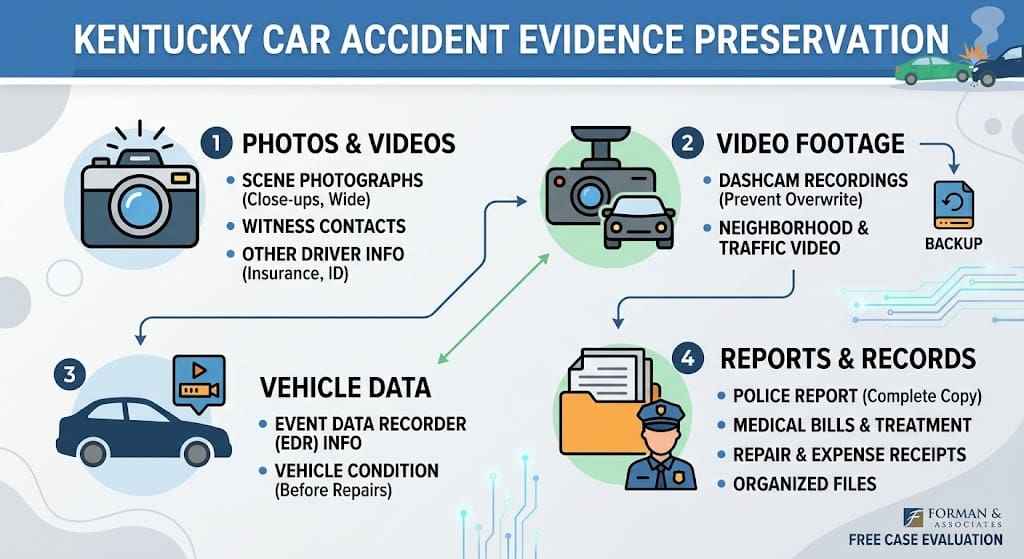
After a crash, it is useful to obtain the applicable auto-policy declarations, identify the PIP claim number, and keep organized records of medical bills, work-loss information, and other out-of-pocket expenses. Those records can help establish the nature and amount of a claimed loss.
PIP Does Not Decide Every Claim Against the Other Driver
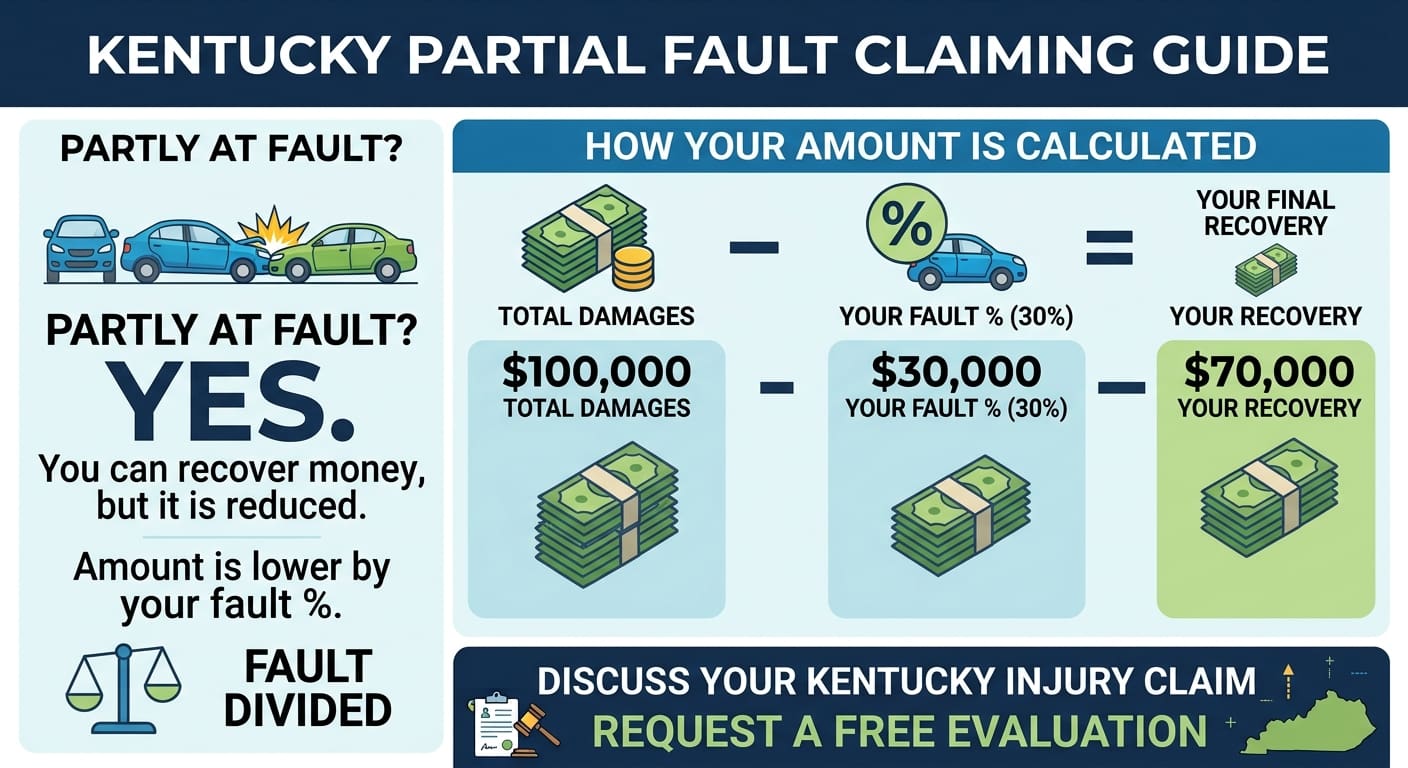
No-fault insurance does not erase a negligent driver’s potential responsibility. Instead, Kentucky’s tort-limitations statute limits recovery from the at-fault party to the extent that basic PIP benefits are payable and generally limits recovery for pain and suffering unless a statutory threshold is met.
That threshold may be met when medical expenses payable as medical expense exceed $1,000 or when the injury involves a qualifying condition such as a bone fracture, permanent disfigurement, permanent injury within reasonable medical probability, permanent loss of bodily function, or death. Meeting a threshold does not establish fault, prove damages, or guarantee a recovery. It means the claim may be evaluated outside the limits that Kentucky’s no-fault system otherwise imposes.
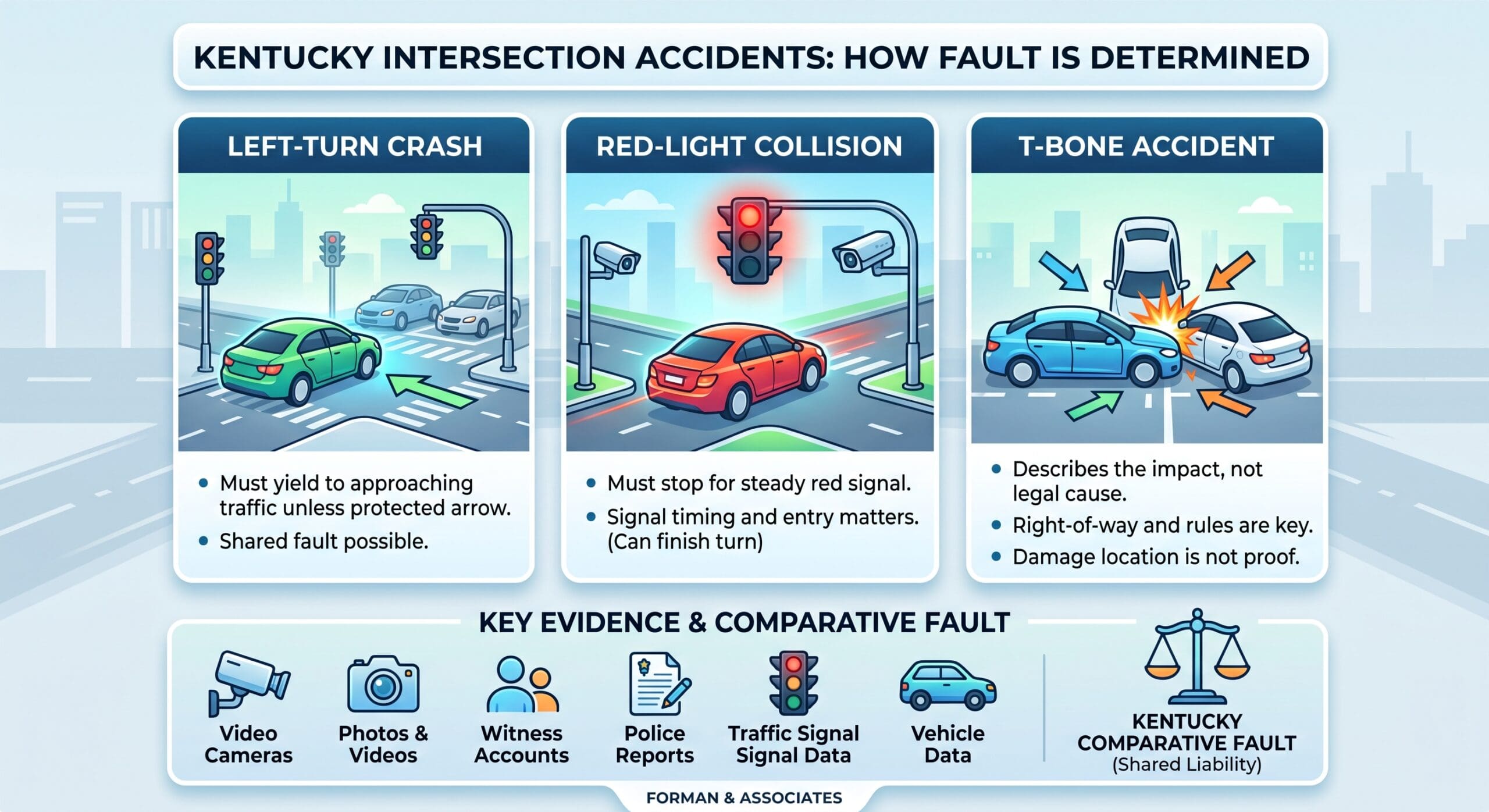
PIP is therefore only one part of a Kentucky car crash claim. Liability evidence, insurance coverage, the nature of the injuries, and the timing of any claim can still matter.
A No-Fault Rejection Can Change the Analysis
Under Kentucky’s no-fault rejection statute, people who register, operate, maintain, or use a motor vehicle on public roadways are generally treated as having accepted the system’s tort limitations. A person may reject those limitations, but the rejection must be completed on the required form and filed with the Department of Insurance before the accident for it to apply.
A rejection can preserve broader tort rights and liabilities, but it can also affect eligibility for basic PIP benefits. Because motorcycle coverage has separate rules, a rejection should not be evaluated from a policy declaration page alone. The filed rejection status and the policy’s actual terms both matter.
Practical Steps After a Kentucky Car Accident
Seek appropriate medical attention and follow medical guidance based on the injury. Then notify the potentially applicable auto insurer, ask how to open a PIP claim, and keep copies of all correspondence. Avoid assuming that a liability insurer will automatically handle medical expenses that may fall under PIP first.
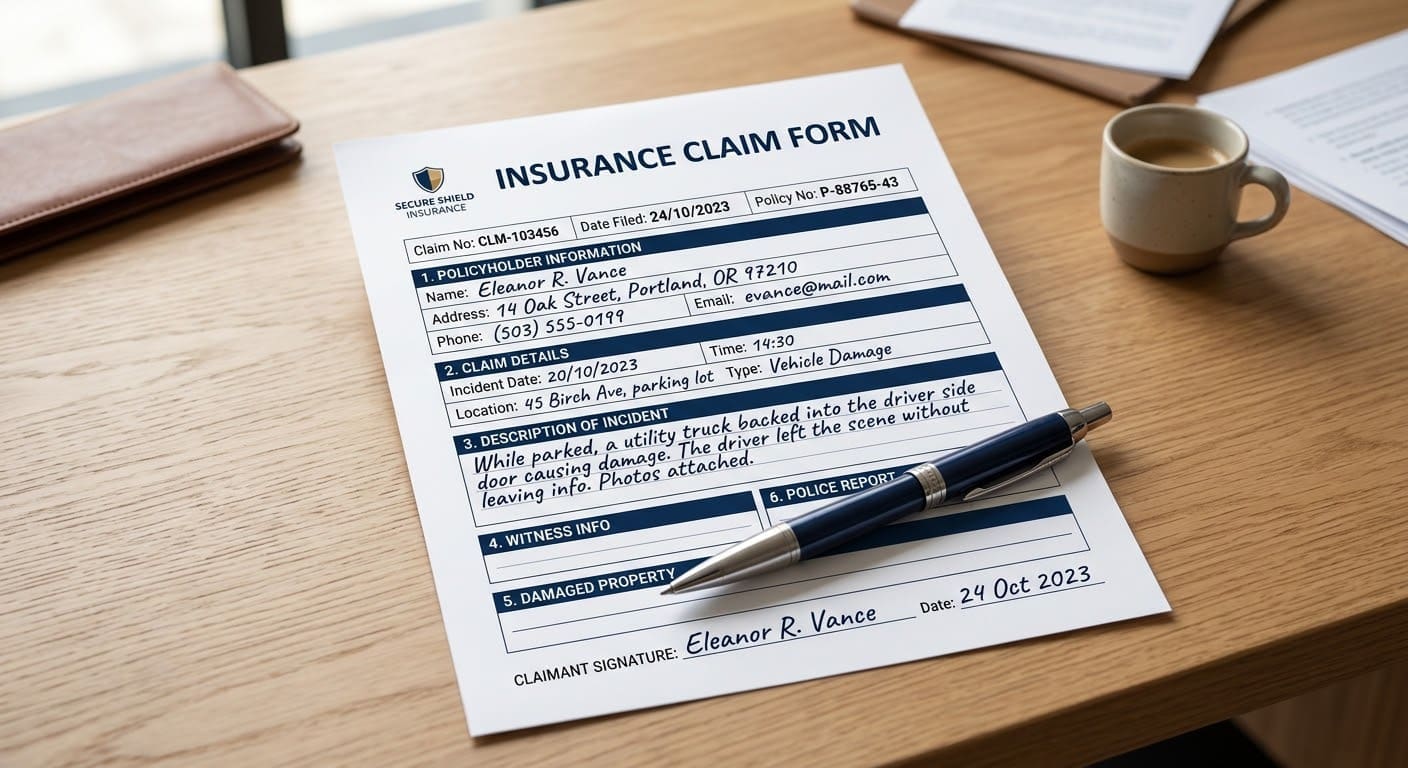
It is also important to separate the property-damage claim from an injury-related PIP claim. The fact that a vehicle is repaired, declared a total loss, or paid under collision coverage does not by itself answer who pays medical expenses or work loss. When coverage, a no-fault rejection, or a potential claim against another driver is disputed, legal advice can help clarify the available options.
Get Help With Kentucky PIP Questions After a Crash
Kentucky PIP benefits can be useful after a collision, but the amount, insurer priority, no-fault election, and injury details may all affect the analysis. Forman & Associates can review the facts of a Kentucky injury matter and help explain the next steps. To discuss a crash-related coverage question, request a free case evaluation.